Build with us
BackDecloud AI

Secure agentic AI for the enterprise, on its own terms

Industries
Enterprise AI
Year
2026
Features
Product StrategySecurity ArchitectureAgentic WorkflowsEnterprise DataOn-Premise AI
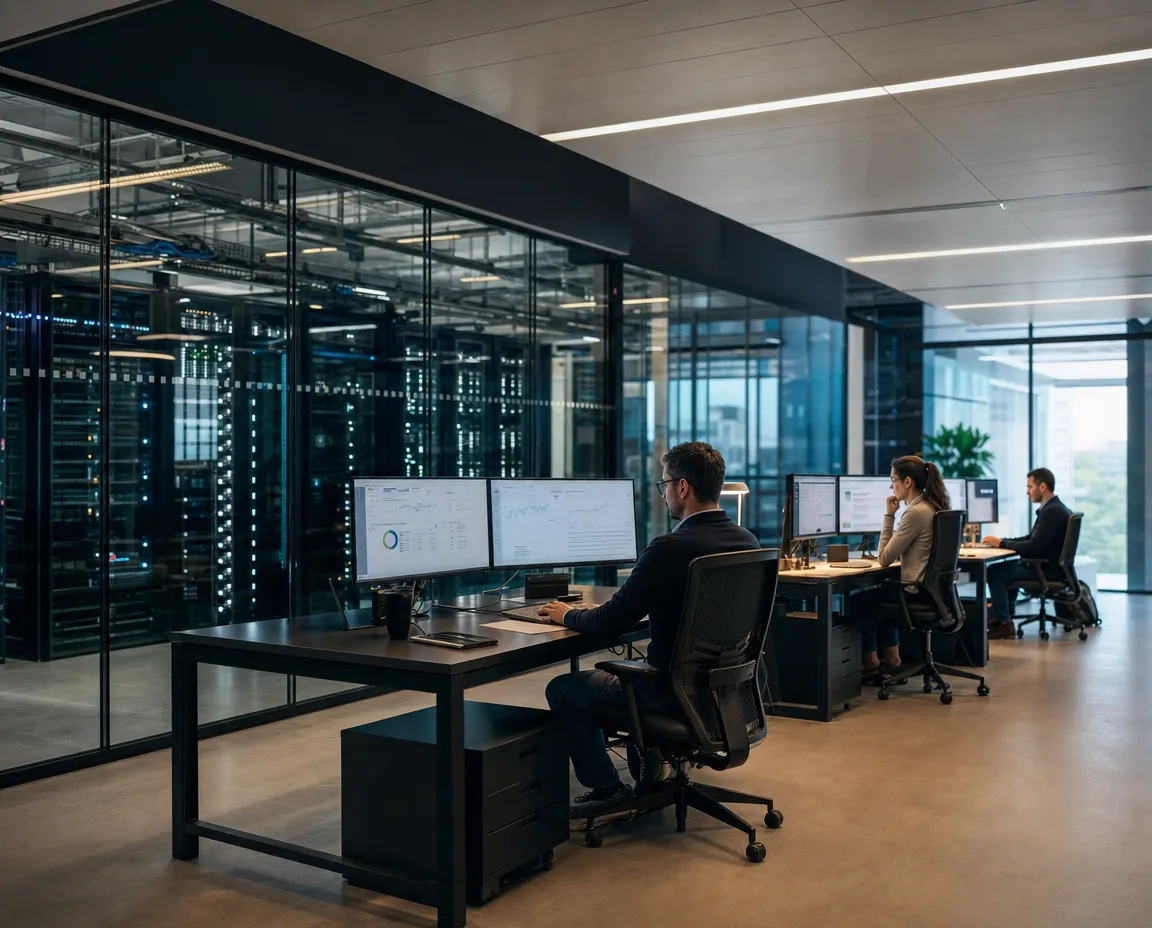
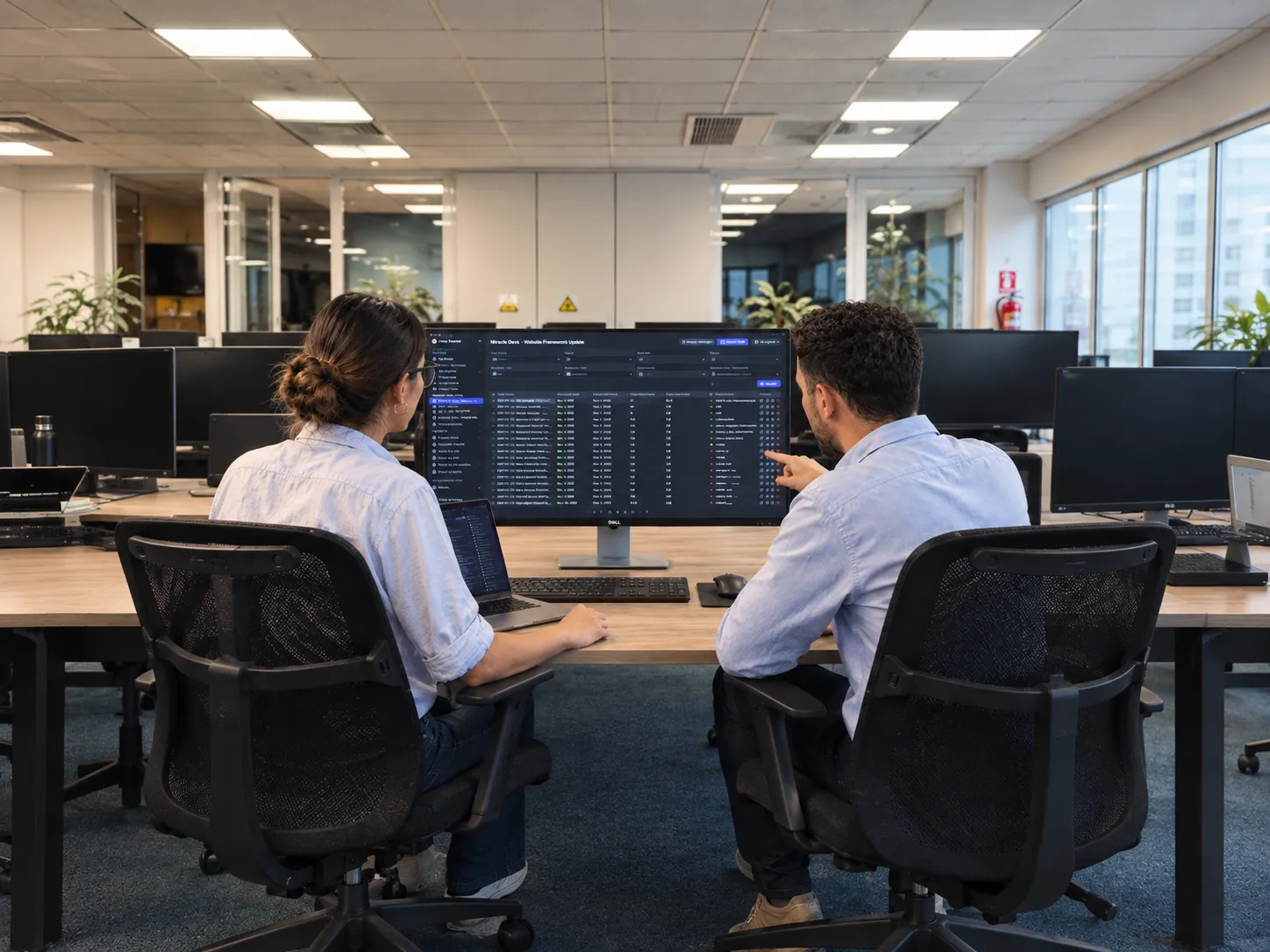
Enterprise operations team working beside private data-center infrastructure

We designed Decloud AI to help enterprises use AI agents across their internal knowledge, operational data, and business processes without sending sensitive information to external model providers. Everything stays inside client-controlled infrastructure, with security enforced by the platform at every step.

The Challenge

Enterprises have valuable intelligence spread across databases, business applications, document libraries, email, and file shares. Connecting an AI agent to those sources can unlock faster decisions and automate repetitive work, but it also creates a new path to some of the organization's most sensitive information.

The risk grows when an assistant becomes an agent. It can select tools, query live systems, combine information from multiple sources, take actions, and delegate work.

Decloud needed a secure-first architecture that could make agents useful without weakening the controls enterprises already depend on. Data has to remain sovereign, automation has to be secure and reversible, and the AI model has to be treated as untrusted throughout.

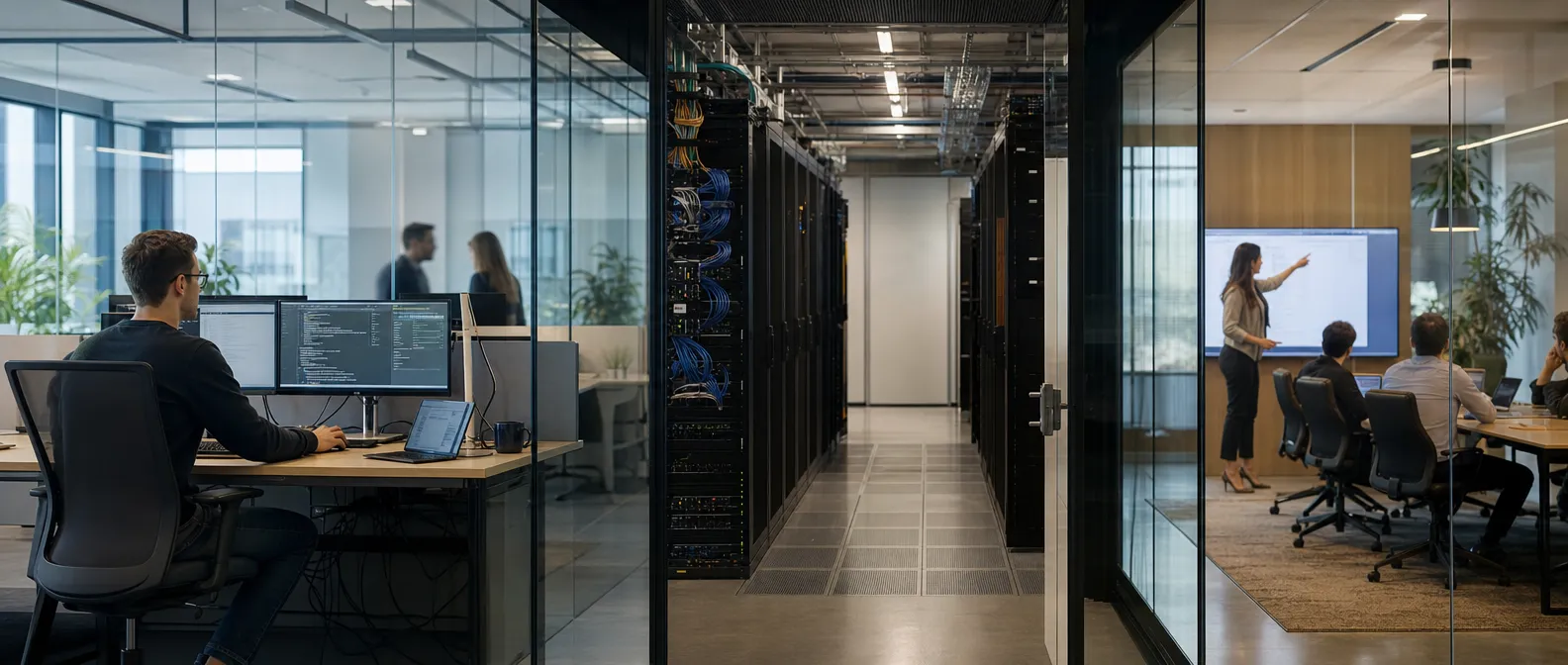
Enterprise office, private server room, and operations meeting
Layered glass form representing Decloud's secure architecture

The Solution

Sovereign AI foundation

We designed the platform to run inside infrastructure controlled by the client. Open-weight models are served locally, remain private to the deployment, and are reached only through the Decloud model gateway. Conversations, configuration, credentials, and enterprise data do not need to cross into an external LLM service.

Secure access to live and institutional data

Agents can connect to live databases, APIs, and business systems through registered extractors that preserve the user's identity and enforce authorization at the source.

Governed agentic workflows

The Decloud Harness coordinates the model, context, skills, commands, memory, and tools needed to complete a task. Free-form reasoning can be combined with typed workflows for repeatable business processes.

Security enforced beyond the model

The model may propose an action, but it cannot grant permission to run it. Decloud checks whether a tool may be shown to the model, then checks the exact action again before execution.

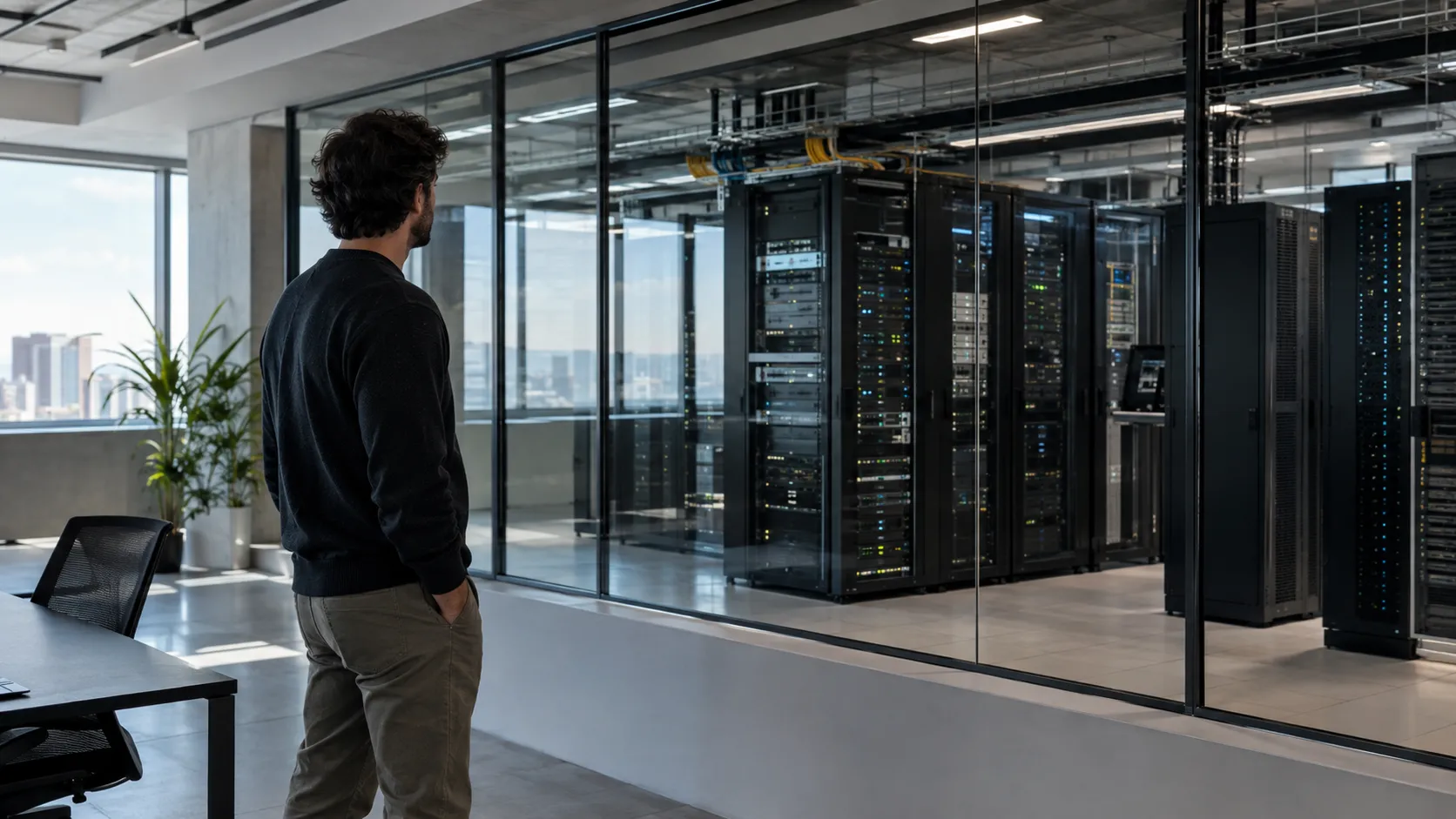
Engineer reviewing private server infrastructure

Key Features

  • Client-Controlled InferenceModels run inside the client's environment, behind one authenticated gateway, without exposing model credentials or private inference endpoints to users or external clients.
  • Secure Live Data AccessRegistered extractors query approved databases, APIs, and business applications using the authenticated user's scope, with limits and authorization applied before results reach the agent.
  • Permission-Aware Knowledge RetrievalDocuments from systems such as SharePoint, mail, and file libraries retain their source, classification, and access metadata so retrieval can filter unauthorized content before it enters the model context.
  • Governed Process AutomationSkills, commands, and tools turn business procedures into bounded agent workflows with typed inputs, explicit permissions, approvals for sensitive actions, and attributable outcomes.
  • Enterprise Identity and AuditModel calls, tool decisions, permission versions, and run limits are recorded and auditable.

“The model may propose an action. It can never grant itself permission to run it.”

Decloud AI security principleProduct architecture
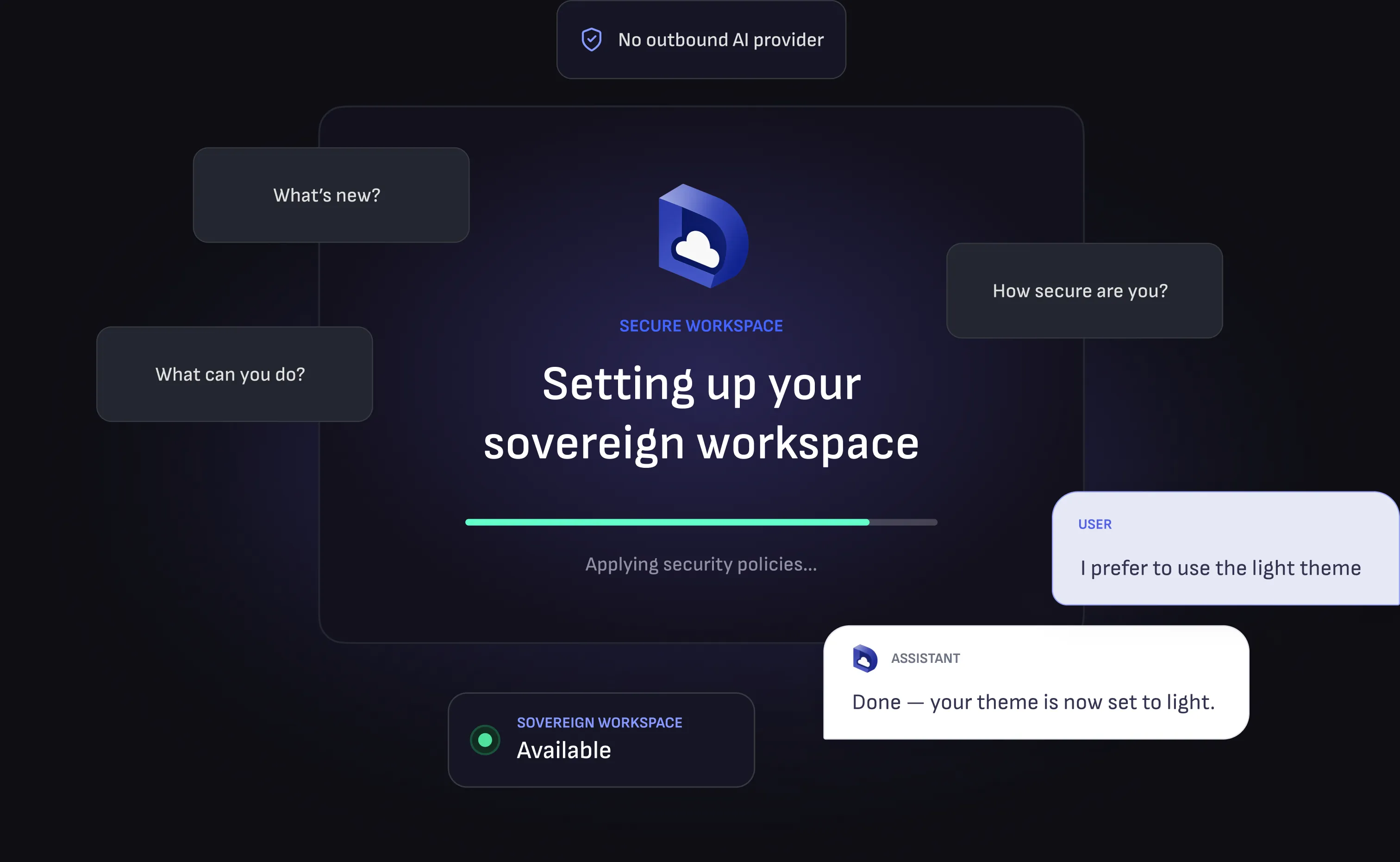
Decloud secure workspace setup and agent interface

Impact

Decloud AI gives enterprises a path to use agentic AI across private knowledge, live operational data, and repeatable business processes while keeping models, information, and execution inside their own security boundary.

The platform turns security into an active part of every workflow. Identity follows the user, data is filtered before the model sees it, tools are authorized before they run, and autonomous work stops at explicit limits. Teams can automate more without giving an AI model broad credentials, unrestricted infrastructure access, or the authority to approve its own actions.

The result is a sovereign foundation that can support employee assistants, knowledge retrieval, live data analysis, coding agents, and process automation through the same secure agent architecture, while preserving the different ownership and trust boundaries each experience requires.

Let's Talk

Have a project in mind? Let's build something miraculous together. Reach out for a free consultation.